
What Is Autophagy? Unlocking Your Body’s Inner Housekeeper
What is autohagy, ever wondered how your cells manage to stay clean, healthy, and efficient, even as they age and are bombarded by stress? The answer lies in a remarkable cellular process known as autophagy. More than just a buzzword in the health and wellness community, What is autophagy, it is a fundamental biological mechanism that plays a vital role in our overall well-being. So, what is autophagy, and why should you care about it?
Decoding Autophagy: The Cellular Recycling System
At its core, autophagy (pronounced ow-TOF-uh-jee) literally means “self-eating” in Greek. Don’t let the name alarm you; it’s not a destructive process. Instead, it’s an ingenious, highly regulated system where your cells break down and recycle their own damaged, worn-out, or unnecessary components. Think of it as your cells’ sophisticated internal housekeeping service or a highly efficient recycling plant.
What is autophagy for cells? When a cell encounters a damaged organelle (like a malfunctioning mitochondrion), misfolded proteins, or even invading pathogens, autophagy kicks in. Specialized vesicles, called autophagosomes, envelop these unwanted materials.
These autophagosomes then fuse with lysosomes, cellular organelles packed with powerful enzymes. Inside the lysosome, the captured components are broken down into their basic building blocks – amino acids, fatty acids, and sugars. These salvaged molecules can then be reused by the cell for energy or to create new cellular components, essentially giving the cell a “refresh.”
 What Is Autophagy’s importance? The Benefits of Cellular Cleanup
The benefits of a well-functioning autophagy process are far-reaching and impact nearly every aspect of our health. Understanding what is autophagy reveals its crucial role in:
* Cellular Quality Control: By removing damaged components, autophagy prevents the accumulation of cellular debris that can impair function and lead to disease. This is particularly important for long-lived cells like neurons.
* Energy Production: During times of nutrient scarcity, autophagy can break down less essential cellular components to provide the cell with energy, acting as a survival mechanism.
* Immune Defense: Autophagy helps the immune system by identifying and eliminating intracellular pathogens like bacteria and viruses.
* Preventing Disease: Dysfunctional autophagy has been linked to a wide range of chronic diseases, including:
* Neurodegenerative diseases: Such as Alzheimer’s, Parkinson’s, and Huntington’s disease. Impaired autophagy can lead to the buildup of abnormal protein aggregates in brain cells.
* Cancer: While complex, autophagy can play a dual role in cancer. It can act as a tumor suppressor by clearing damaged cells, but in established cancers, it can help tumor cells survive stressful conditions.
* Metabolic disorders: Including type 2 diabetes and obesity. Autophagy is involved in regulating insulin sensitivity and glucose metabolism.
* Aging: The rate of autophagy naturally declines with age, contributing to the aging process and increased susceptibility to age-related diseases.
What is Autophagy Support? Lifestyle Choices for Cellular Renewal
The good news is that you can actively support and enhance your autophagy process through lifestyle choices. While we can’t directly “switch on” autophagy like a light, certain practices can naturally promote its activity:
* Intermittent Fasting: This is perhaps the most well-studied and effective way to induce autophagy. By creating periods of caloric restriction, your body signals the need to conserve energy and initiate this cellular cleanup mechanism. Popular methods include the 16/8 method (fasting for 16 hours and eating within an 8-hour window) or the 5:2 diet.
* Exercise: Regular physical activity, especially moderate to high-intensity exercise, has been shown to stimulate autophagy in various tissues, including muscles and the brain.
* Caloric Restriction (Sustained): While not as widely practiced as intermittent fasting, long-term reduction in caloric intake has been linked to increased autophagy. However, this should be approached with caution and under professional guidance.
* Certain Foods and Compounds: While fasting is the primary driver, some research suggests that certain foods and compounds may have mild autophagy-boosting effects. These include:
* Resveratrol: Found in grapes, berries, and red wine.
* Curcumin: The active compound in turmeric.
* Green Tea: Rich in catechins.
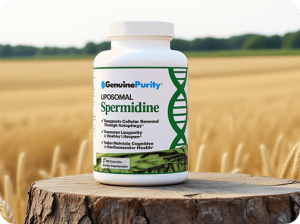
* Spermidine: A compound found in foods like aged cheese, mushrooms, and whole grains.
Important Note: While supporting autophagy is beneficial, extreme or prolonged fasting without proper understanding and guidance can be detrimental. Always consult with a healthcare professional before making significant dietary changes, especially if you have underlying health conditions.
The What is Autophagy’s Future of Research
The field of autophagy research is rapidly evolving. Scientists are continually uncovering new mechanisms and potential therapeutic applications.
Understanding what is autophagy is not just about cellular maintenance; it’s about unlocking new strategies for preventing and treating a wide array of human diseases.
As we delve deeper into this fascinating cellular process, we gain a greater appreciation for our body’s incredible ability to self-repair and renew. By adopting healthy lifestyle habits, you can empower your cells to perform their vital housekeeping duties, paving the way for a healthier and more vibrant life.